

Ready-made software is better for standard business processes — accounting, email, CRM, POS — because it’s cheaper to start and working today. Custom software development is better when the software itself is your advantage: unique workflows, customer portals, or per-user subscriptions that grow faster than your revenue. In Nigeria, ready-made tools cost roughly ₦5,000–₦500,000+ per month, while custom builds start around ₦2,000,000. The right choice is a maths problem, not a philosophy debate — and we’ll show you the maths.
We build custom software for a living. So this should be an easy article to write: “custom good, ready-made bad, call us.”
Except that’s not what we tell clients. Some of the best advice we’ve given is “don’t build it — buy the ready-made tool and put the money you saved into marketing.” We’ve said it to hospitals, traders, and startup founders. They come back later either thanking us or asking us to build the one thing no existing tool could do.
After building platforms for fintech brands like AirtimePay and working with manufacturers like Mario Plastics Limited here in Port Harcourt, we’ve learned the honest answer: neither is better. One is better for you. Here’s how to work out which.
Custom vs Ready-Made Software at a Glance (2026)
| Factor | Ready-Made (Off-the-Shelf) | Custom Software |
|---|---|---|
| Upfront cost | ₦0 – ₦100,000 setup | ₦2,000,000 – ₦15,000,000+ |
| Ongoing cost | ₦5,000 – ₦500,000+/month, often in dollars | Hosting + maintenance, from ~₦55,000/month |
| Time to start | Hours to days | Weeks to months |
| Fit to your workflow | 70–90% — you adapt to it | Built around how you actually work |
| Ownership | You rent; vendor owns the software | You own the code and the data |
| Integrations | Within the vendor’s ecosystem | Anything with an API — Paystack, banks, USSD |
| Support | Vendor queue, foreign time zones | Your team, your response times |
| Best for | Standard processes | Workflows that make you different |
These are market ranges as of November 2026, not a price list — the same caveat as our guide to what a website costs in Nigeria. Where you land depends on scope.
What “Ready-Made” Actually Covers
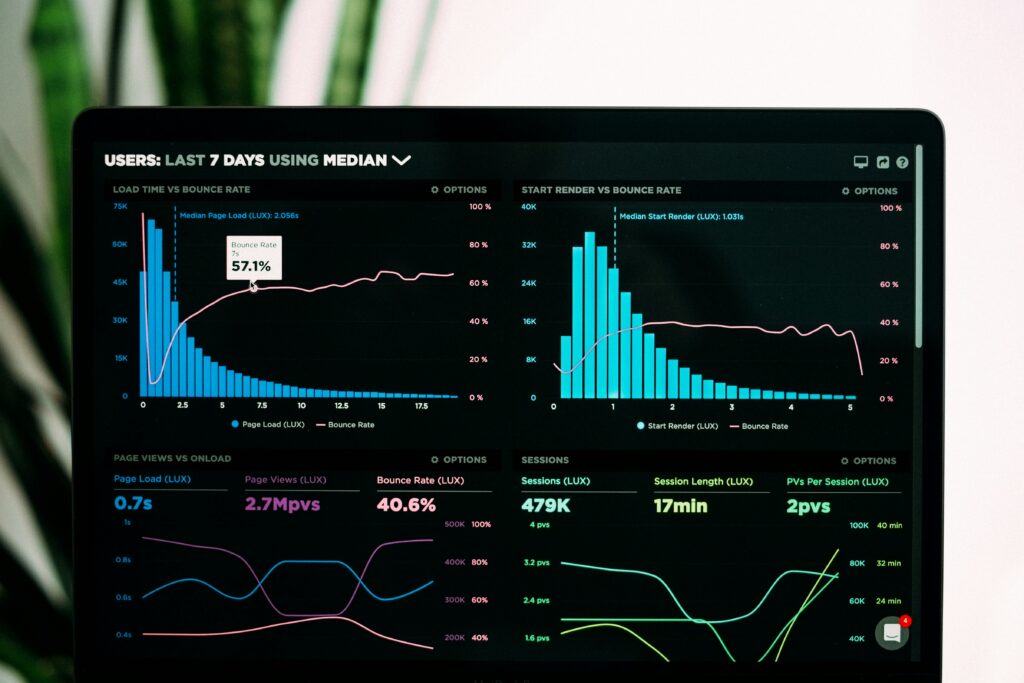
“Ready-made” isn’t one thing. It’s three:
- SaaS subscriptions. You rent software monthly: QuickBooks for accounting (from $38/month), Zoho CRM for customer management ($14 per user monthly, billed annually — and free for three users), Shopify for online stores, Google Workspace for email.
- Licensed software. Installed once, renewed periodically — Sage and traditional ERP packages work this way.
- Configurable open-source. Odoo, WordPress and WooCommerce sit in the middle: no licence fee, heavily customisable, but someone must set them up and maintain them. Many Nigerian businesses run here without realising it’s an option.
Two Nigerian realities to price in before you subscribe to anything. First, most global tools bill in dollars — when the naira moves, your renewal moves with it. Second, naira cards can make international payments again, but bank-set limits still cause declines on recurring dollar charges, so budget for the admin of virtual dollar cards or a domiciliary account. It’s a small cost until the month it isn’t.
What Custom Software Development Costs in Nigeria
Custom web and mobile applications typically run ₦2,000,000 – ₦15,000,000+, and school portals ₦3,000,000 – ₦10,000,000 (full breakdown in our cost guide). You’re not paying for pages — you’re paying for a team: a project manager, a designer, engineers and testers, working for months.
Then the running costs: cloud hosting from around ₦300,000/year on managed hosting, plus maintenance from ₦30,000/month. Real money — but notice it’s mostly naira-denominated and doesn’t reprice every time the exchange rate sneezes.
What you get for it: software shaped around your business, integrations no vendor has to approve, and ownership. The code, the data, the intellectual property — yours, in writing. If you’re scoping custom software development in Port Harcourt or mobile app development, that ownership clause is the first thing to check in the contract.
When Ready-Made Software Wins
Buy, don’t build, when:
- The process is standard. Accounting, payroll, email, POS, basic CRM. If your competitor runs the same process, a proven tool already does it better than your first custom version will.
- You need it this week. A subscription works today. A build doesn’t.
- Your budget is under ~₦2 million. That’s subscription territory, and there’s no shame in it.
- You’re still testing the idea. Validate with off-the-shelf tools first. Building custom software for a business model that changes in month three is an expensive way to learn.
- Your team is tiny. Some tools are free at three users. You cannot beat free.
The expensive mistake isn’t buying ready-made. It’s building what already exists.
When Custom Software Wins

Build when:
- The software is the product. A fintech platform like AirtimePay can’t run on someone else’s template — the software is the business.
- Per-user pricing punishes your growth. Twenty, fifty, a hundred staff on a per-user subscription is a salary line, not a software line. We’ll do this maths below.
- No tool fits the workflow. A manufacturer’s distributor portal with product specifications and order logic. A hospital’s patient flow beyond a brochure website — even a project like Shammah Christian Hospital’s starts with a website but raises bigger system questions.
- You need Nigerian rails. Deep Paystack/Flutterwave integration, bank transfers, USSD, or offline-first behaviour for patchy internet — global tools treat these as edge cases. Here, they’re Tuesday.
- Data control matters. Under the Nigeria Data Protection Act (2023), knowing exactly where customer data lives and who can touch it is a board-level question. The NDPC is the regulator; “it’s on someone’s cloud somewhere” is not an answer.
The 3-Year Cost Test (Do This Maths Before You Decide)

Here’s the test we run with clients. Compare three years of subscribing against building plus three years of running:
SaaS cost = price per user × users × 36 months (in naira, at today’s rate) Custom cost = build + (hosting + maintenance) × 36 months
An illustrative example — a CRM at 14/user/month,convertedat₦1,500/ (plug in today’s rate), against a ₦4m custom build with ~₦660,000/year running costs:
| Team size | Ready-made, 3 years | Custom, 3 years | Verdict |
|---|---|---|---|
| 3 users | ~₦2.3m (or ₦0 on a free tier) | ~₦6m | Buy |
| 20 users | ~₦15.1m | ~₦6m | Build |
| 50 users | ~₦37.8m | ~₦8m (bigger scope) | Build |
Same maths, opposite answers — that’s the point. Three honest caveats: the exchange rate will move; the subscription includes features you’d pay to rebuild; and custom software only saves money if your team actually uses it. Unused software is the most expensive kind ever made.
The Middle Path Most Businesses Miss
The best answer is often both: buy the commodity, build the edge. Run QuickBooks for accounts and build the client portal it can’t give you. Run a WooCommerce store and build a custom inventory sync behind it. Configure Odoo instead of building an ERP from zero.
One rule before you commit to any tool: check the data export first. If you can’t get your records out cleanly, you’re not subscribing — you’re moving in. Start ready-made, measure the pain, and build only what’s provably broken.
Choosing in Port Harcourt: What Changes Locally

The national maths above holds in Port Harcourt — what changes is everything around it:
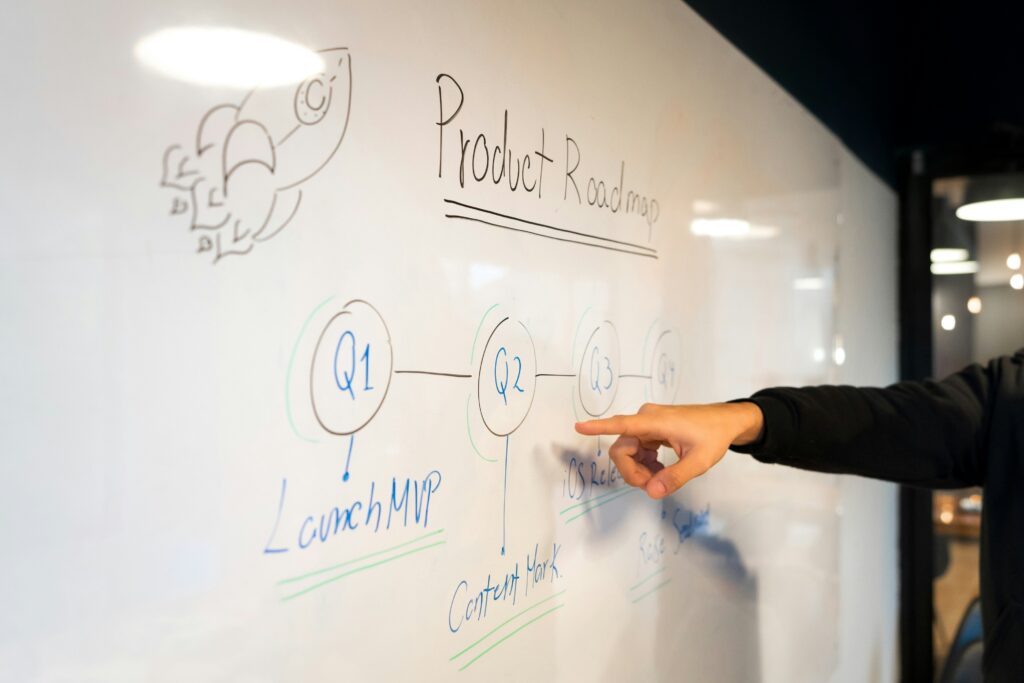
- Accountability is physical. A local team means walking into an office on Agudama Street, D/Line, scoping on a whiteboard instead of a laggy call, and knowing who to find when something breaks. If you’re comparing vendors, we’ve reviewed the best web design companies in Port Harcourt — including nine that aren’t us.
- The industry mix is specific. Hospitals, manufacturers, schools, and oil-and-gas servicing firms dominate Rivers State. Imagine a PH oil-servicing company tracking equipment, certifications and HSE compliance — generic tools bend badly around that. This is exactly where custom earns its keep.
- Infrastructure is a design requirement. Offline-first behaviour and low-bandwidth modes aren’t nice-to-haves here; they decide whether staff use the system at all.
Questions to Ask Before You Sign Either Way
Before subscribing: Is the price in dollars? What happens to the bill at 3× the users? Can I export my data? Is there an API? What do I lose the day I stop paying?
Before commissioning a build: Is there a written scope? Who owns the code and IP — in the contract, not in vibes? Is there a handover with documentation? A support plan with response times? Payment tied to delivered milestones?
It’s the same rule we preach about domains in our website cost guide: if you don’t own it, you’re renting your business’s future.
Frequently Asked Questions
Is custom software better than ready-made software?
Neither is universally better. Ready-made wins for standard processes, small teams and speed. Custom wins when the workflow is your competitive advantage, per-user fees outgrow a build, or you need integrations and data control no vendor offers.
How much does custom software cost in Nigeria?
Custom web and mobile applications typically cost ₦2,000,000–₦15,000,000+ in 2026, and school portals ₦3,000,000–₦10,000,000, plus hosting and maintenance. See our full price guide for what drives the number.
What are examples of ready-made software?
QuickBooks and Sage for accounting, Zoho and Salesforce for CRM, Shopify for ecommerce, Google Workspace for email, and subscription school-management platforms. Odoo and WordPress are configurable open-source options in between.
Which is better for a small business in Nigeria?
Usually ready-made, at first. Subscribe to proven tools, run the business, and note where they fight you. Build custom only when the pain is measurable — in lost hours, lost sales, or subscription fees that exceed a build.
Can ready-made software be customised?
Within limits — settings, modules, APIs. Open-source platforms like Odoo go furthest. But heavy customisation of a closed product gives you the worst of both worlds: subscription costs plus development costs, and upgrades that break your tweaks.
Who owns the code in a custom software project?
You should — explicitly, in the contract, with source code and documentation handed over. If a developer won’t put ownership in writing, treat it the same way you’d treat a domain registered in someone else’s name.
How long does custom software take to build?
A focused first version typically takes 2–4 months; full systems with portals, roles and integrations run 4–9 months or more. Anything promised “in two weeks” is a template with your logo on it.
Does SilvaCreate build custom software outside Port Harcourt?
Yes. We’re based in D/Line, Port Harcourt, and serve clients across Rivers State, Owerri, Nigeria and internationally. Consultations happen online or in person, and the first one is free.
The Best Software Is the One That Fits
Buy what’s standard. Build what makes you different. And when you’re not sure, run the three-year maths — it settles most arguments in ten minutes.
If you want a second opinion, tell us what you’re trying to run and we’ll give you an honest assessment — including “buy it off the shelf” when that’s the truth. SilvaCreate is a Clutch-recognised software and digital marketing agency in Port Harcourt. We’ve built for manufacturers, hospitals and fintech brands, and we’d like to build for you.
Book your free consultation → Let’s talk about your business, the next level.